Why a GEO Action Plan Is Essential for Technical Teams
AI engines like ChatGPT, Perplexity and Google AI Overviews increasingly determine which brands are visible. Without a structured action plan, your technical implementation remains reactive rather than strategic. A developer-ready GEO action plan translates abstract visibility goals into concrete tasks in your sprint backlog.
The difference from a traditional SEO plan is fundamental. While SEO focuses on rankings in search results, Generative Engine Optimization (GEO) focuses on the question: does AI cite your content as a trusted source? That requires a different technical approach, with its own validation points and measurable KPIs.
In this tutorial, you'll walk through the process step by step to create an action plan that's directly usable for your development team.
Step 1: Conduct a Technical Baseline Assessment
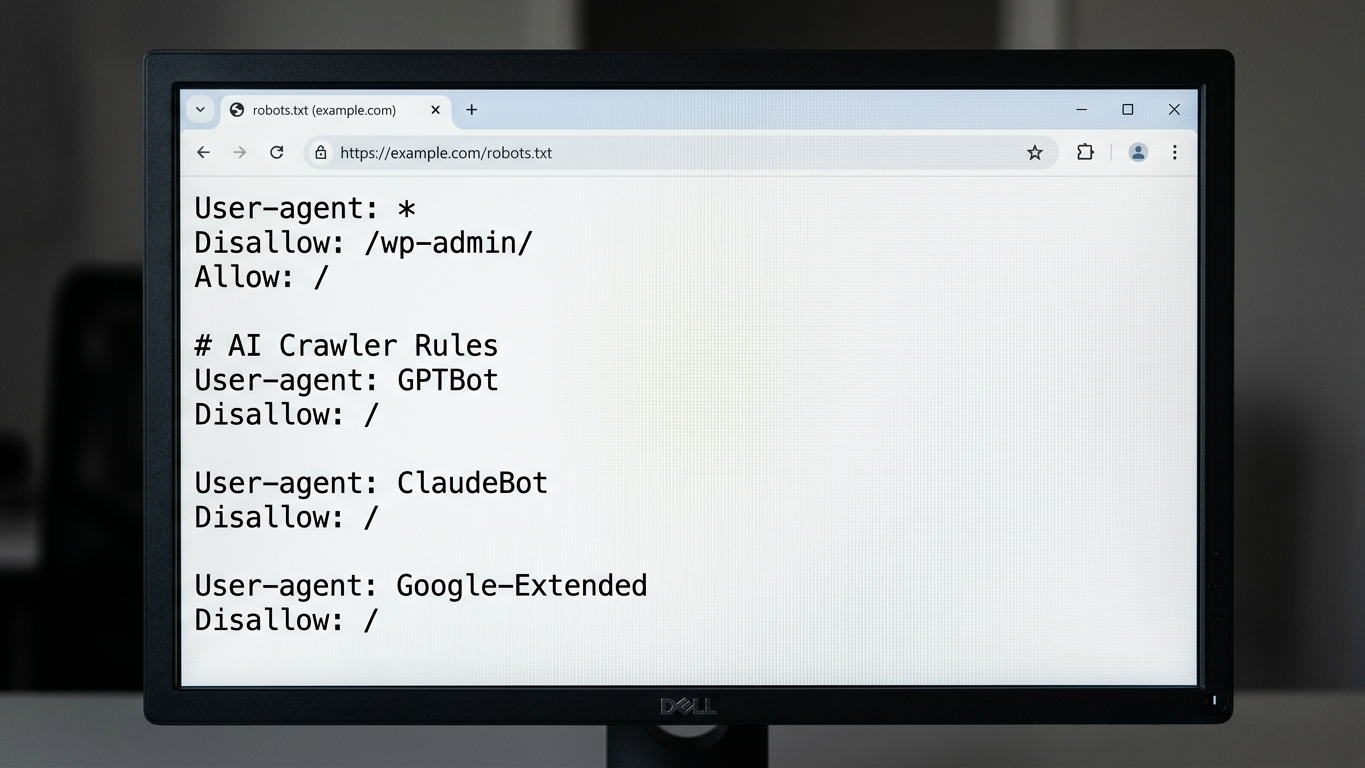
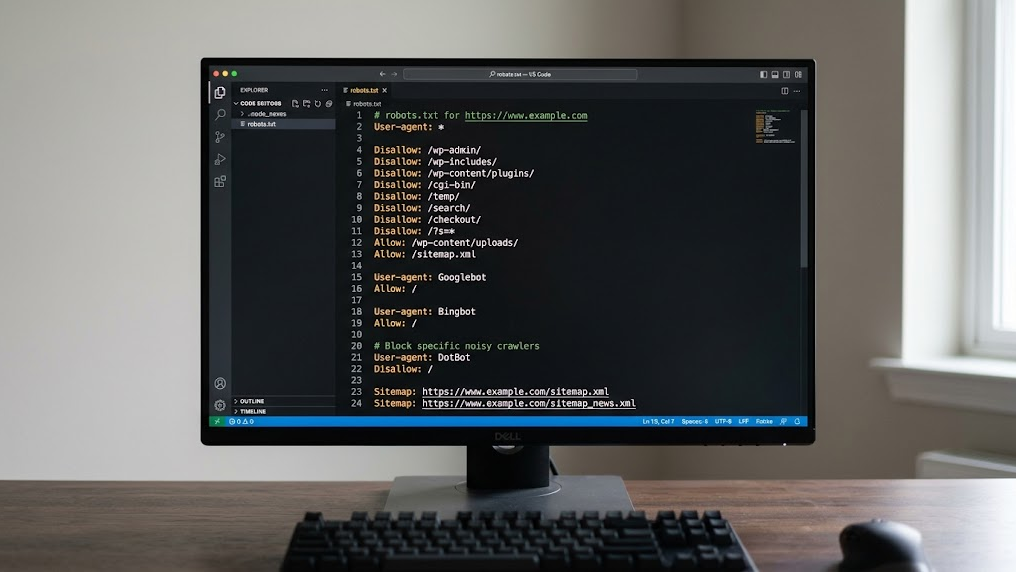
Every action plan starts with data. Without a baseline assessment, you won't know where the technical bottlenecks are that block AI crawlers. The GrowthScope Quickscan delivers a server-side rendering check and robots.txt validation in 2 to 5 minutes.
Focus your baseline assessment on these three technical pillars:
- Crawlability: Can AI bots from OpenAI and Anthropic reach your pages?
- Structure: Is your content equipped with correct schema markup?
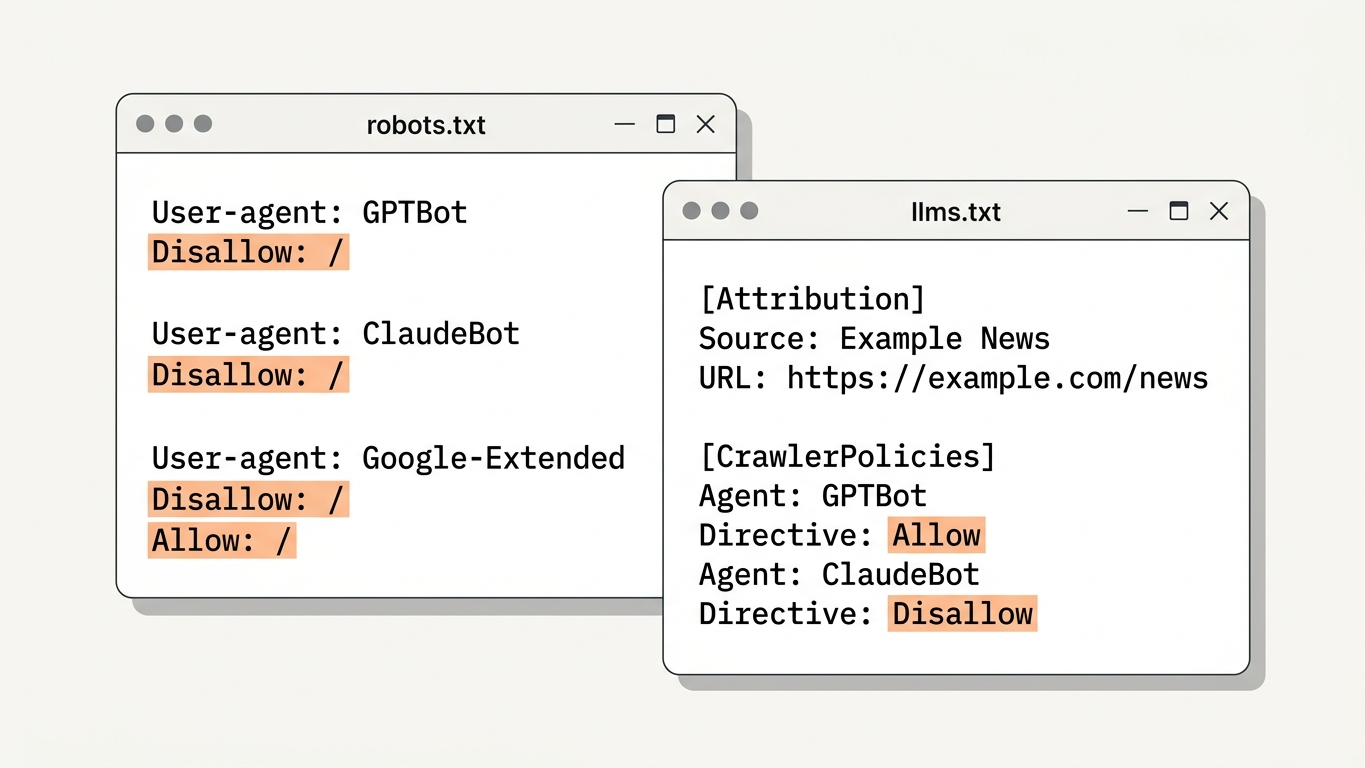
- Instructions: Do you have an llms.txt file that tells AI crawlers how to interpret your site?
Document the results per pillar as a baseline. This becomes your reference point for every subsequent sprint.
Step 2: Prioritize Based on Impact
Not every technical improvement delivers equal GEO value. Use the GEO Readiness Score from your audit as a compass. Items with the highest impact on citability come first.
Prioritization Matrix for GEO Tasks
| Priority | Task | Impact on Citability | Estimated Effort |
|---|---|---|---|
| P0 | Open robots.txt for AI crawlers | High | Low (< 1 hour) |
| P0 | Create and deploy llms.txt | High | Low (1-2 hours) |
| P1 | Validate and extend schema markup | High | Medium (4-8 hours) |
| P1 | Server-side rendering for key pages | High | Medium (4-8 hours) |
| P2 | Structure content with clear H2/H3 hierarchy | Medium | Low (2-4 hours) |
| P2 | Add FAQ schema to service pages | Medium | Low (2-3 hours) |
P0 tasks are your quick wins. Without access for AI crawlers, all further optimization is pointless.
P1 tasks improve the quality of the data that AI engines receive. P2 tasks strengthen the contextual richness of your answers.
Step 3: Translate Priorities Into Sprint Tasks
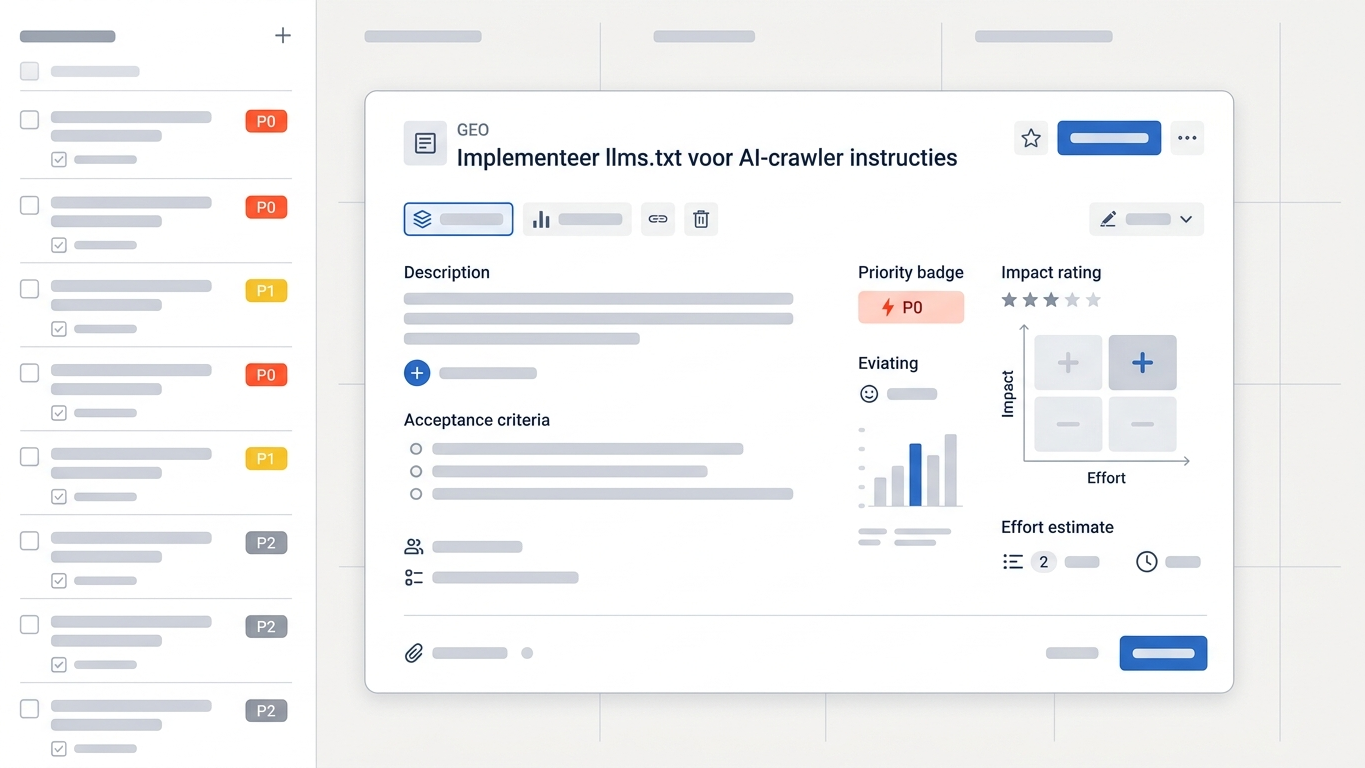
An action plan that doesn't fit into your workflow won't be executed. Translate each priority into a ticket with clear acceptance criteria.
Example: Sprint Ticket for llms.txt Implementation
Title: Implement llms.txt for AI crawler instructions
Description: Create an llms.txt file in the root of the domain. This file instructs AI crawlers about the structure, purpose and primary content of the website.
Acceptance Criteria:
- llms.txt is accessible at
domain.com/llms.txt - The file contains a description of the organization, key pages and contact information
- Validation via GrowthScope Quickscan shows status "Found"
- The file returns a 200 status code
Story Points: 2
This ticket is directly compatible with Jira, Linear or whatever project management tool your team uses. Repeat this format for each task from the prioritization matrix.
Step 4: Build In a Validation Cycle
GEO is not a one-time action. AI models are continuously updated and your competitors are optimizing too.
Therefore, build in a recurring validation cycle.
Plan the following checkpoints:
- Weekly: Verify that llms.txt and robots.txt are correctly accessible (automated via monitoring)
- Monthly: Validate schema markup after each content update
- Quarterly: Run a new GEO audit to compare your GEO Readiness Score with the baseline
The quarterly audit is crucial for trend tracking. You'll see not only whether your score improves, but also how your position shifts relative to competitors on platforms like ChatGPT, Claude and Perplexity.
Complete Sample Plan: The First Two Sprints
Below you'll find a concrete action plan for the first four weeks, divided into two two-week sprints.
Sprint 1: Laying the Foundation
- Adjust robots.txt: explicitly allow AI crawlers (GPTBot, ClaudeBot, PerplexityBot)
- Create llms.txt based on the template from your GrowthScope report
- Activate server-side rendering for the five most important landing pages
- Document baseline measurement: GEO Readiness Score, crawlability status per bot
Sprint 2: Strengthen Structure
- Expand schema markup with Organization, FAQPage and Article types
- Review H2/H3 hierarchy on pages that should appear in AI answers
- Add FAQ schema to at least three service pages
- Perform revalidation via a new scan and report delta
After these two sprints, you'll have a solid technical foundation for AI visibility. The GEO Readiness Score serves as your Technical Health KPI that you monitor consistently.
Next Step: From Plan to Results
An action plan is only valuable if it's based on current data about your specific domain. Start your Quickscan and receive the technical baseline assessment you need within minutes. No account, no setup, no API keys.
Have questions about technical implementation or want to run a deep scan with 25 industry-relevant queries? Contact the GrowthScope team directly.