Algorithmic cite-ability: The new core competency for content consultants
Why algorithmic cite-ability fundamentally changes your content strategy
The question is no longer whether your content ranks high on a search results page. The question is: does an algorithm literally cite your content?
For content consultants, this is a turning point. Your clients expect measurable results, but traditional SEO tools don't measure what AI models do with content. Algorithmic cite-ability, the degree to which AI selects and quotes your texts as a trusted source, is the new standard. And this standard requires a fundamentally different approach to content strategy.
What exactly is algorithmic cite-ability?
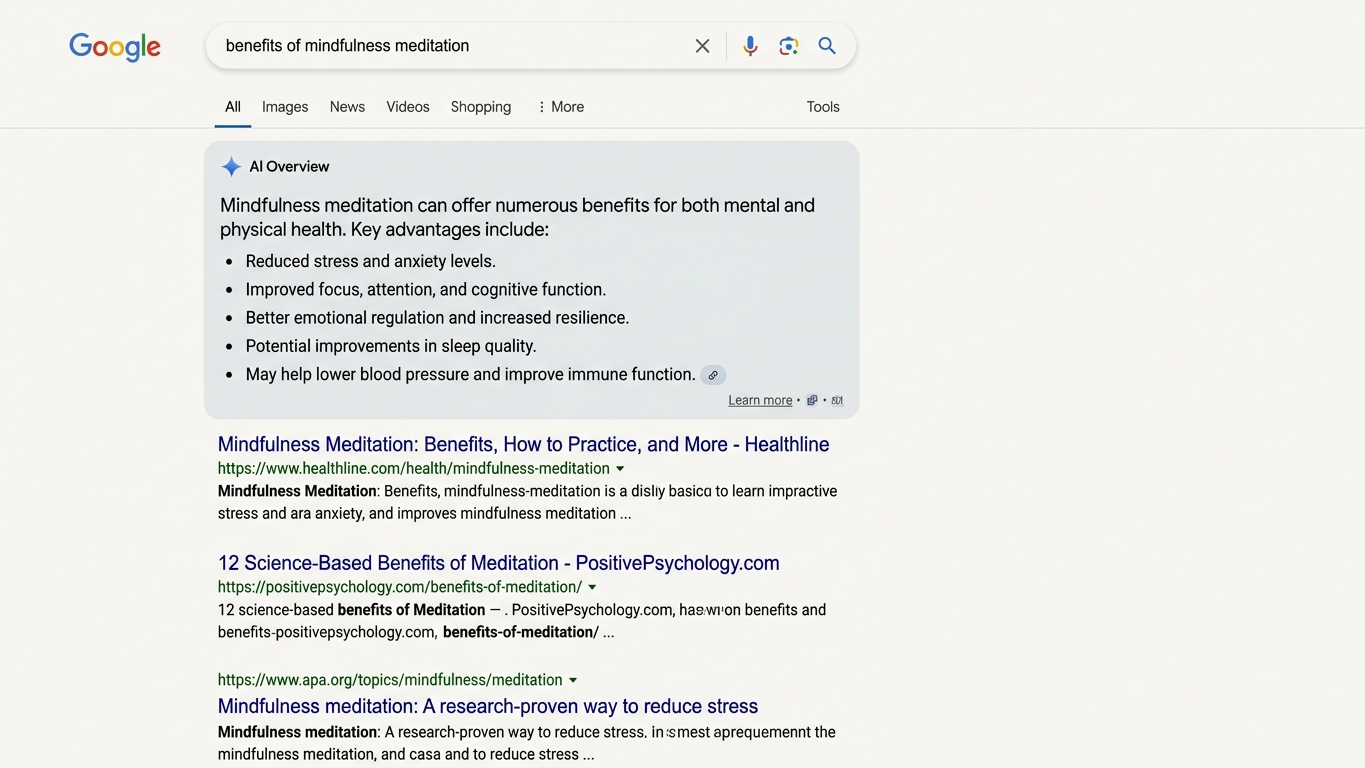
Algorithmic cite-ability describes how likely an AI engine is to select, paraphrase, or directly quote your content in a generated answer. This differs fundamentally from traditional discoverability. A page can be invisible in classic search results, but prominently cited by Claude or Perplexity.
The factors that determine cite-ability include:
- Structural clarity: can an AI model parse your text into facts, definitions, and steps?
- Source authority: does the model recognize your domain as a trusted knowledge source within a specific niche?
- Technical accessibility: are AI crawlers allowed to index your content via llms.txt and robots.txt?
- Contextual richness: does your content contain sufficient semantic depth to serve as an answer to complex questions?
This makes cite-ability not a byproduct of good content. It's a design choice you must consciously incorporate.
The problem: traditional tools measure the wrong things
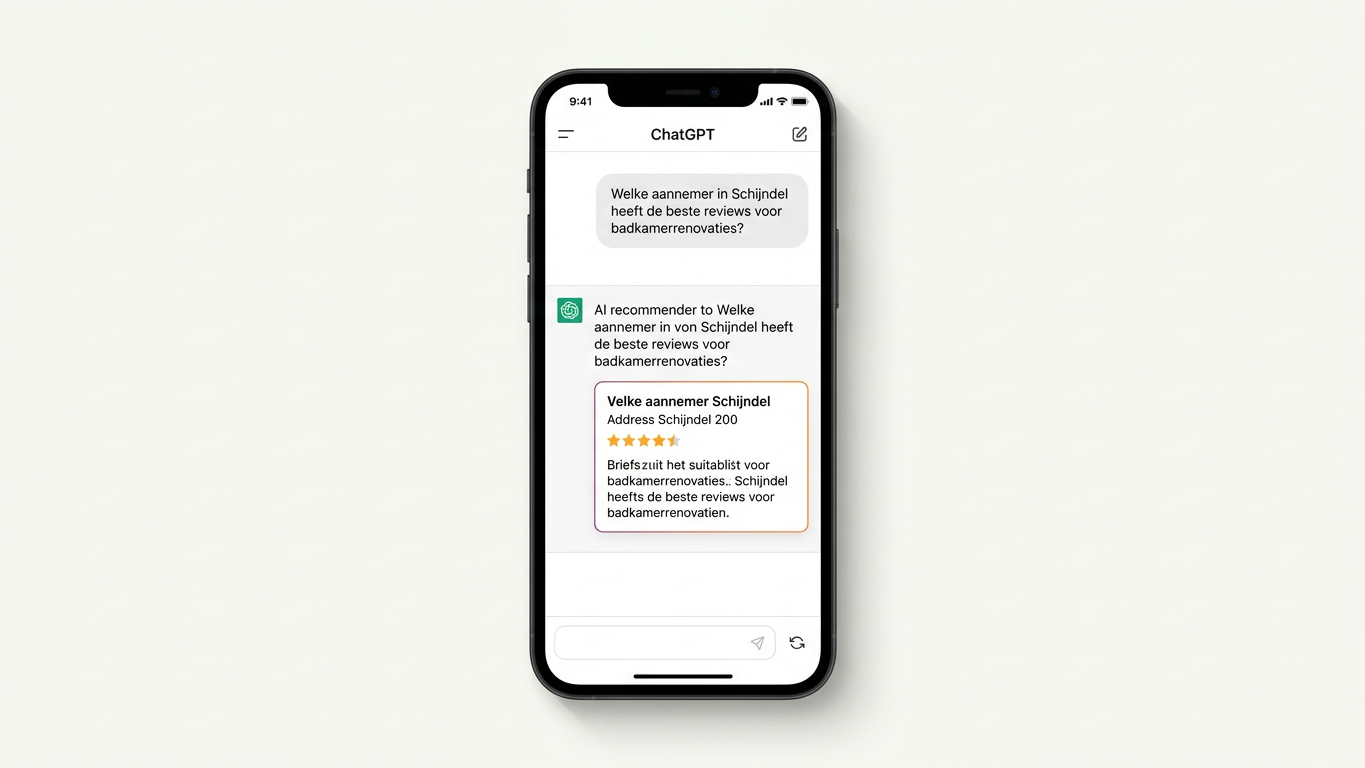
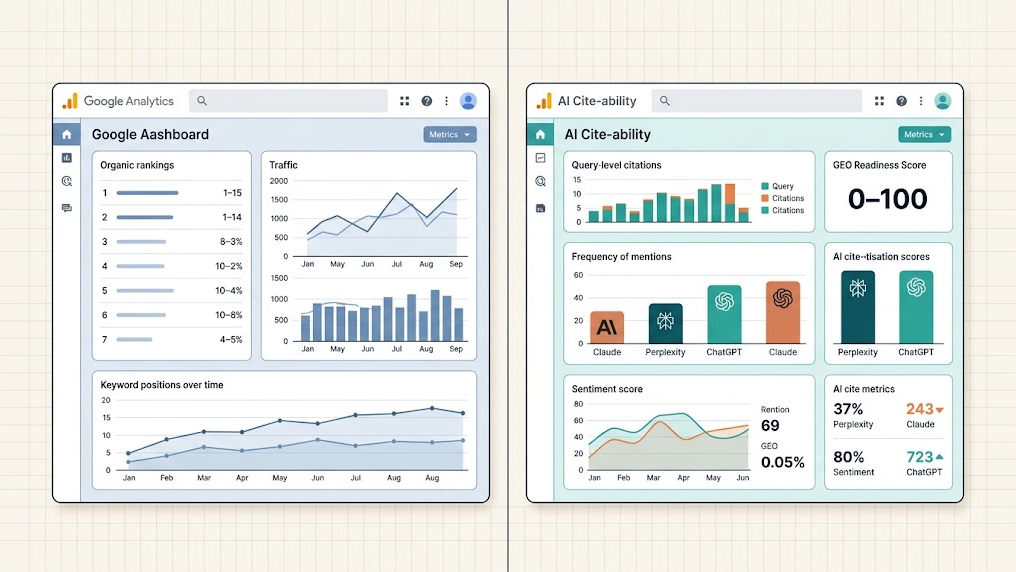
As a consultant, you know the scenario. You present a quarterly report with rising organic positions and growing search traffic. But your client notes that competitors are mentioned in ChatGPT answers and they aren't. Your dashboards have no answer for that.
That's not a shortcoming of your strategy. It's a shortcoming of your measurement instruments. Traditional SEO tools were built for a world of blue links. The world of Generative Engine Optimization requires new metrics: on which queries is your client cited? On which platform? And with what sentiment?
The GEO Readiness Score provides exactly that starting point. A score from 0 to 100 that indicates how well a website is prepared for AI visibility, including the technical, structural, and content dimensions.
From content quality to algorithmic relevance
The shift from "good content" to "citable content" has direct implications for how you advise. Below is a comparison of the two paradigms:
| Aspect | Traditional content advice | Cite-ability-driven advice |
|---|---|---|
| Success metric | Organic positions, traffic | Citations in AI answers per query |
| Content structure | Readable for humans | Readable for humans and parseable for models |
| Technical focus | Crawlability for Googlebot | Crawlability for AI crawlers (llms.txt) |
| Competitive insight | SERP analysis | AI answer analysis per platform |
| Reporting cycle | Monthly traffic | Quarterly AI visibility trend tracking |
This table reveals something: cite-ability is not a replacement for SEO. It's an expansion that increases your advisory value.
How to concretely integrate cite-ability into your consulting practice
The transition doesn't have to be radical. You can integrate algorithmic cite-ability gradually into your existing workflow.
Step 1: measure the starting point
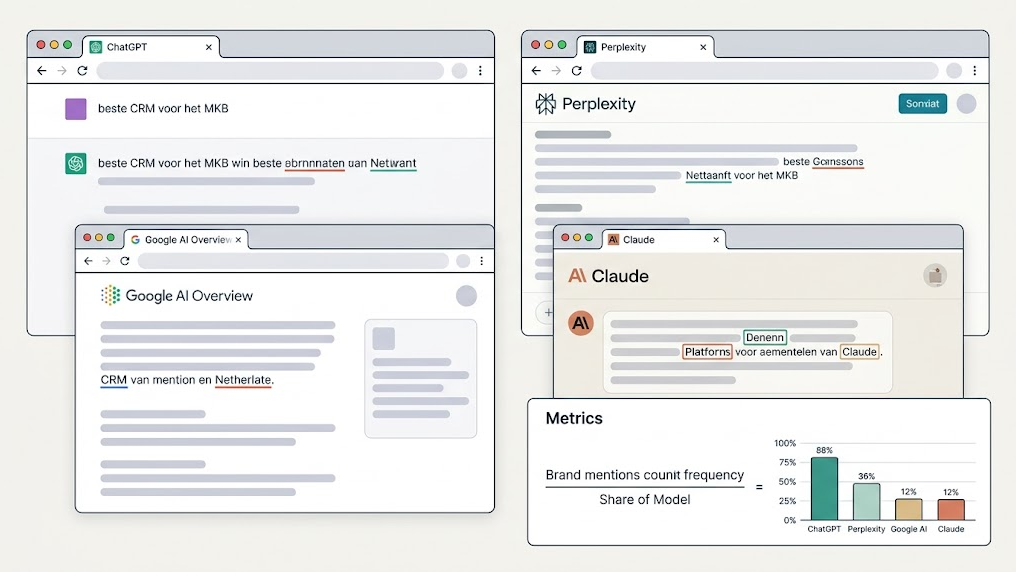
Before you optimize, you need to know where your client stands. Start a GEO audit to measure current AI visibility. Within 10 minutes, you receive a report with scores per platform, including ChatGPT, Perplexity, Google AI Overviews, and Claude. No account needed, no API keys, no setup.
Step 2: translate data into page-level advice
The per-page query mapping shows exactly which pages are and aren't cited. This allows you to shift your advice from "improve this page for keyword X" to "make this page citable for AI query Y." That's a fundamentally different conversation with your client.
Step 3: make progress visible with trend tracking
One-time measurements show a snapshot. The real value for your client relationship is in the quarterly subscription. This automates the trend tracking you previously did manually. With each re-audit, you present the rise in GEO Score as a direct result of your consultation. That's not reporting. That's proof of return.
Cite-ability as competitive advantage for your agency
When Perplexity cites a competitor of your client, that's a missed opportunity you don't fix with a blog post about "thought leadership."
You fix it with structured, technically accessible, and content-wise authoritative content that algorithms recognize as the best source.
For you as a consultant, this also means something at agency level. Colleagues who only offer traditional SEO are losing ground. Agencies that make AI visibility measurable and improve it position themselves as indispensable partners. The GEO audit from GrowthScope is your instrument to make this difference tangible, for yourself and your clients.
Take control of algorithmic relevance today
Algorithmic cite-ability is not a trend you can wait out. Every day your client isn't cited by AI engines, a competitor is mentioned instead. Start your first audit and discover within 10 minutes where the opportunities lie. Do you have questions about integration into your consulting practice? Check our FAQ or contact our team directly.