Schema.org JSON-LD for GEO: which types you cannot miss
Why schema markup determines if AI cites you
Schema.org JSON-LD is the technical translation of your website into a language that AI systems understand. Without correct structured data, AI crawlers interpret your content as unstructured text.
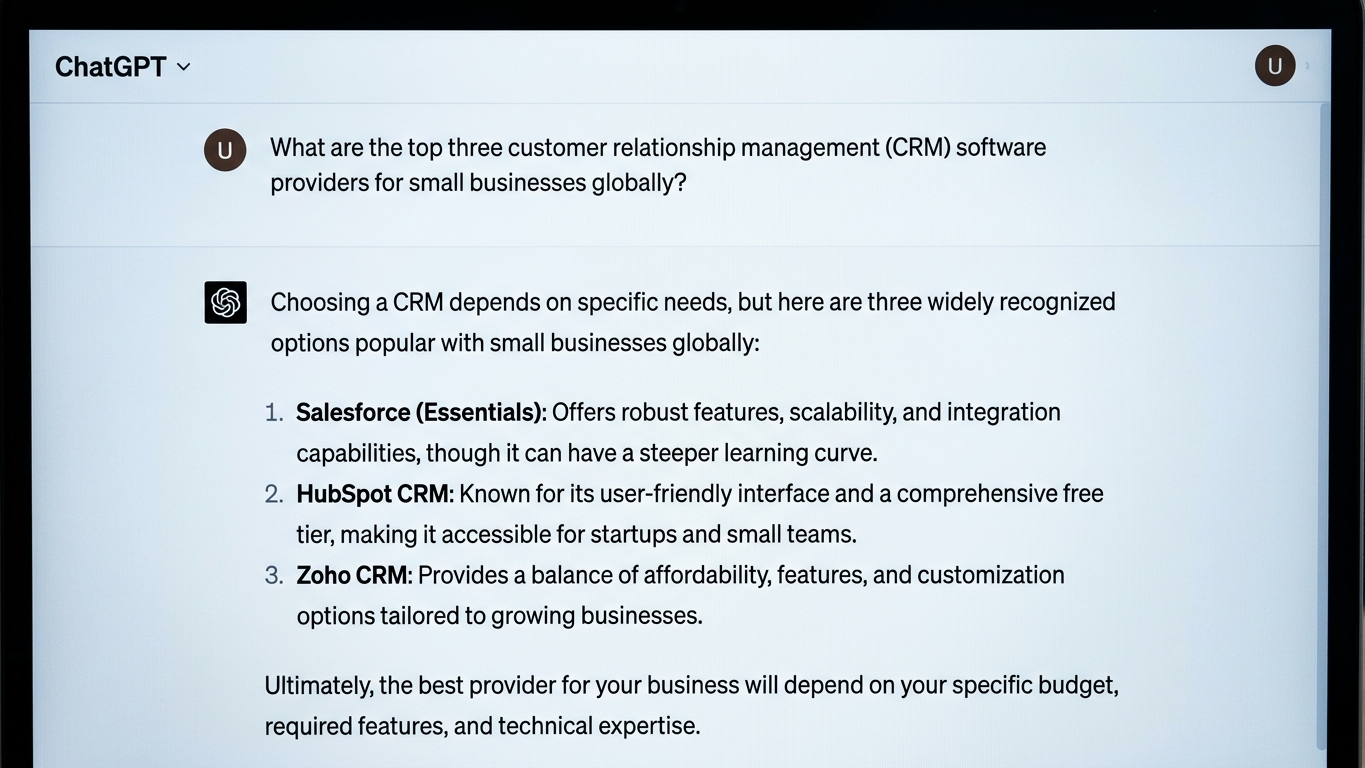
AI engines like ChatGPT, Perplexity and Google AI Overviews have a fundamental problem: they must determine in milliseconds which source is trustworthy enough to cite. In this tutorial you will go through the essential Schema.org types that directly impact your GEO visibility. Each type is provided with a concrete JSON-LD example that you can implement immediately.
The role of JSON-LD within your technical GEO setup
Schema markup is not an SEO leftover from 2015. It is an active ranking factor for AI citability. When an AI engine crawls your page, it looks for structured signals to answer three questions:
- Who publishes this information?
- What is the specific expertise of this source?
- How current and trustworthy is this content?
JSON-LD answers these questions in a machine-readable way. It is placed as a script block in the <head> of your page and requires no modification of the visible HTML. This makes it the fastest technical GEO win you can book today.
The five Schema.org types you cannot skip
1. Organization: your digital business card for AI
The Organization type tells AI engines who you are. Without this schema, the essential context needed to link your brand to an answer is missing. Always include your name, logo, founding year and contact information.
{
  "@context": "https://schema.org",
  "@type": "Organization",
  "name": "Your Company Name",
  "url": "https://yourdomain.com",
  "logo": "https://yourdomain.com/logo.png",
  "foundingDate": "2003",
  "contactPoint": {
    "@type": "ContactPoint",
    "email": "info@yourdomain.com",
    "contactType": "customer service"
  }
}
This is your foundation. Without Organization schema, no AI engine knows for certain that your site belongs to an established organization.
2. Article and BlogPosting: make your content citable
AI engines prefer to cite sources with a clear publication date, author and subject. The Article or BlogPosting type makes this metadata explicit. This increases the citability of every page you publish.
{
  "@context": "https://schema.org",
  "@type": "BlogPosting",
  "headline": "Title of your article",
  "author": {
    "@type": "Person",
    "name": "Author Name"
  },
  "datePublished": "2025-01-15",
  "dateModified": "2025-06-01",
  "publisher": {
    "@type": "Organization",
    "name": "Your Company Name"
  }
}
Pay specific attention to dateModified. AI engines weigh recency heavily. An article without a modification date loses ground to competitors who actively maintain their content.
3. FAQPage: direct answers for AI engines
The FAQPage schema is built for citability. AI engines like Google AI Overviews search for question-answer pairs they can directly incorporate into their output. This type is particularly effective for service pages.
{
  "@context": "https://schema.org",
  "@type": "FAQPage",
  "mainEntity": [{
    "@type": "Question",
    "name": "What is GEO?",
    "acceptedAnswer": {
      "@type": "Answer",
      "text": "GEO stands for Generative Engine Optimization..."
    }
  }]
}
Place a maximum of five to eight FAQ items per page. More than that dilutes the relevance per question.
4. Service and Product: what you specifically offer
AI engines need to understand what you sell to be able to recommend you as a solution. The Service type links your expertise to a specific offering, including pricing information and availability.
{
  "@context": "https://schema.org",
  "@type": "Service",
  "name": "GEO Audit",
  "provider": {
    "@type": "Organization",
    "name": "Your Company Name"
  },
  "description": "Analysis of AI visibility",
  "areaServed": "NL"
}
For e-commerce, replace Service with Product and add offers with price and currency.
5. LocalBusiness: essential for regional AI visibility
When a user asks via ChatGPT or Perplexity about a service provider in a specific region, the
LocalBusinessschema carries significant weight.
This type combines location data with your service.
{
  "@context": "https://schema.org",
  "@type": "LocalBusiness",
  "name": "Your Company Name",
  "address": {
    "@type": "PostalAddress",
    "addressLocality": "Schijndel",
    "addressCountry": "NL"
  },
  "telephone": "+31-XX-XXXXXXX"
}
With production in Schijndel and own skilled staff with 20+ years of experience, this type is particularly relevant for organizations that want to anchor their local and regional authority in AI answers.
Implementation checklist: validation in three steps
| Step | Action | Tool |
|---|---|---|
| 1 | Place JSON-LD blocks in the <head> |
CMS or template engine |
| 2 | Validate with Google Rich Results Test | search.google.com/test/rich-results |
| 3 | Check crawlability via llms.txt and robots.txt | GrowthScope Quickscan |
Validation is not an optional step. Incorrect JSON-LD is more harmful than no JSON-LD, because it actively sends wrong signals to AI engines.
Validate your schema markup with a GEO audit
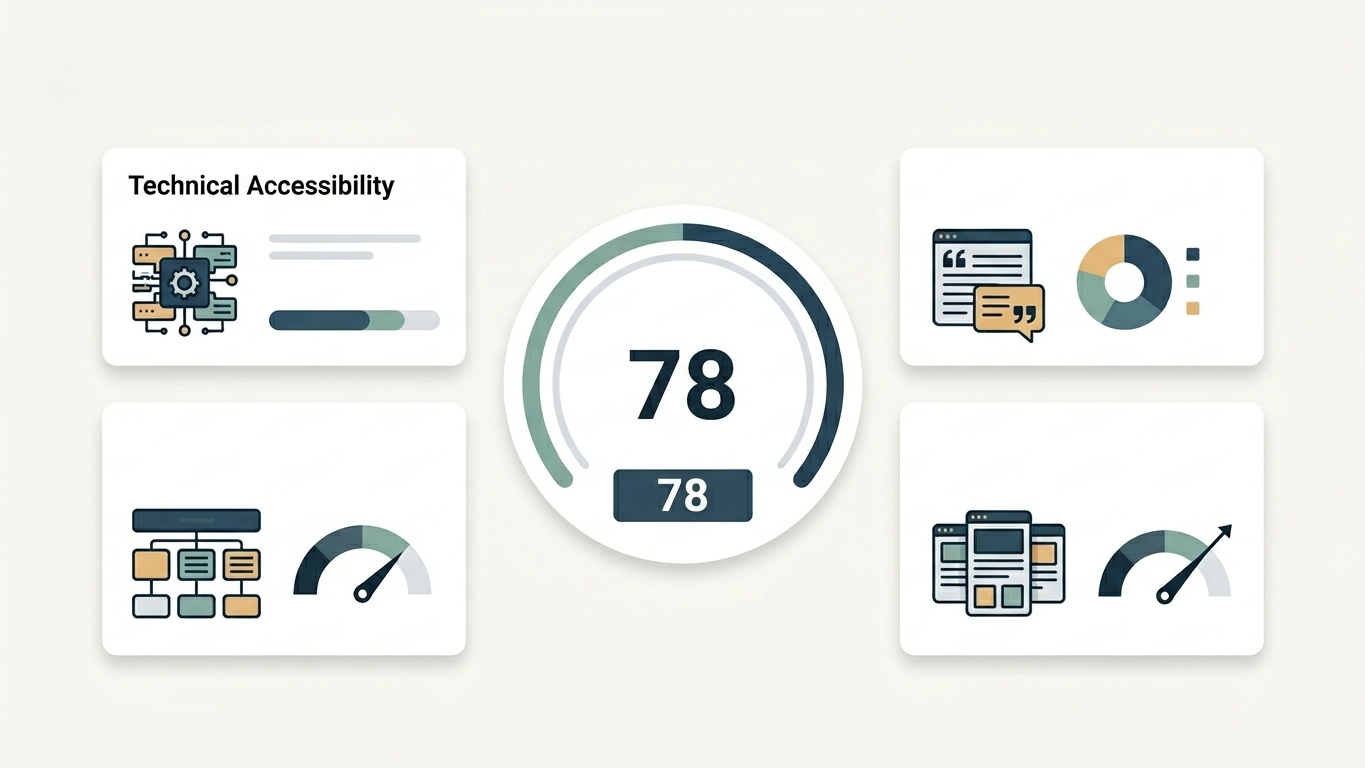
You can check today whether your structured data is correctly picked up by AI crawlers. The GrowthScope Quickscan analyzes your technical GEO setup within 2 to 5 minutes, including schema markup validation, llms.txt status and server-side rendering check. No account, no API keys.
Would you also like to see how your AI visibility compares to your competitors on ChatGPT, Perplexity and Claude? The Deep Scan analyzes 25 industry-relevant queries and delivers a complete GEO action plan with directly applicable recommendations.
Make your content citable. Start your audit today and ensure AI engines mention your brand first.